Polaris Pixels Laboratory

Visual Design Laboratory

30 styles. 20 dimensions. One shared vocabulary.

An interactive environment for exploring, understanding, comparing, and experimenting with visual design aesthetics, from historical art movements to contemporary interface trends.

Taxonomy v0.1 · Working Draft

Education

Build a shared vocabulary for understanding visual design.

Exploration

Demonstrate how different aesthetic philosophies influence the appearance and behavior of websites.

Experimentation

Allow designers, developers, and clients to compare, combine, and evaluate aesthetic approaches.

Central principle

“We are not building 30 color themes. We are building 30 interpretations of what a web application can look and feel like.”

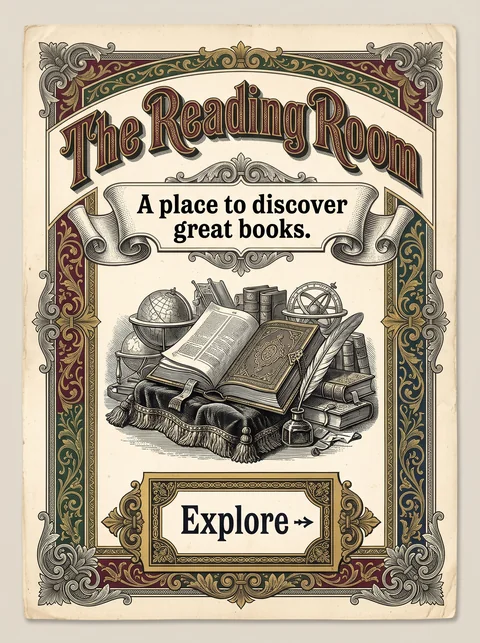
A design style is more than colors, fonts, and decorative elements. Every significant movement expresses a philosophy about communication, composition, materials, and the relationship between form and function. The Laboratory sets out to understand those principles, not just reproduce the surface.

The foundations

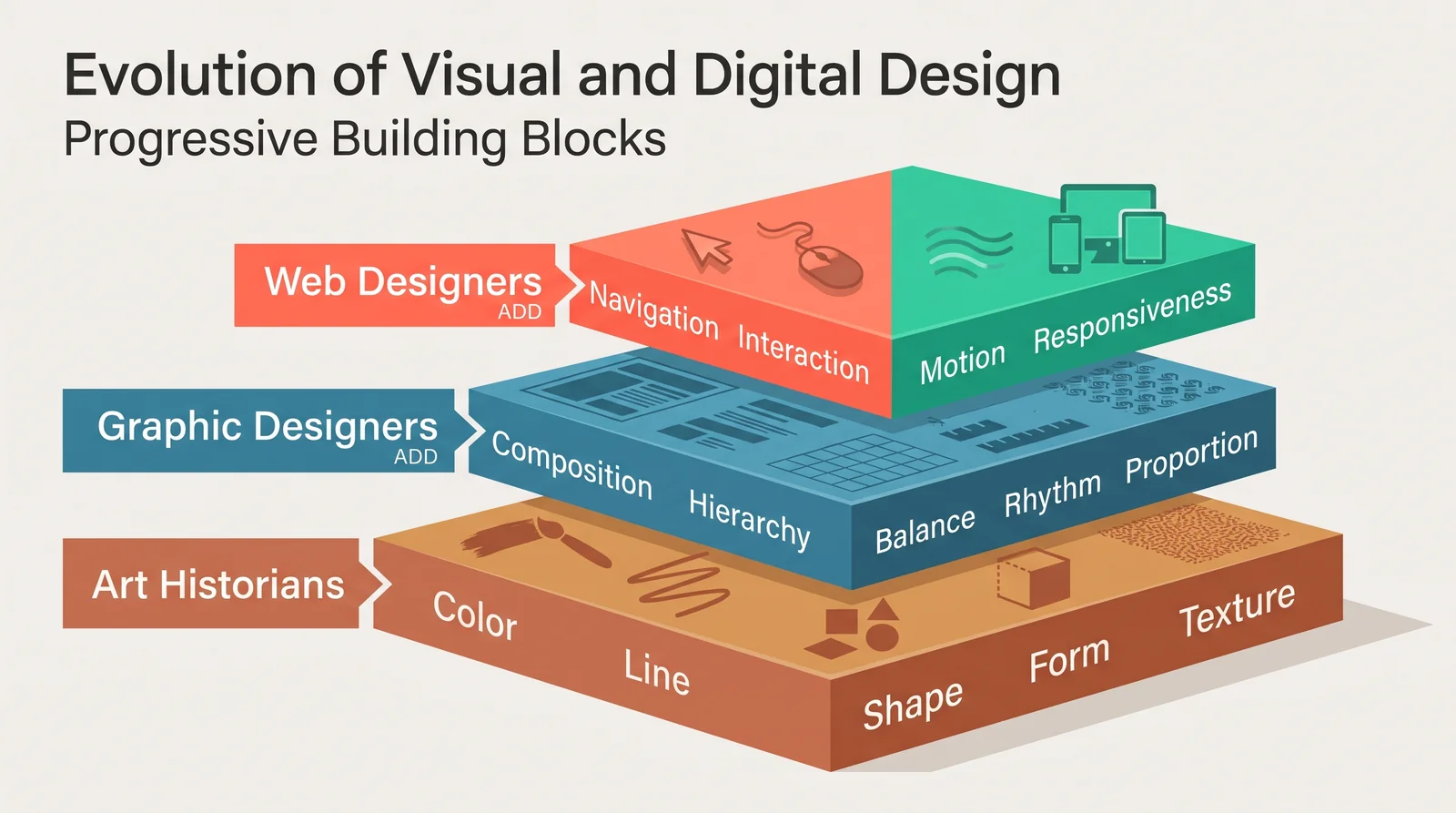
The elements describe what a composition contains. The principles describe how those elements work together. Each discipline inherits the vocabulary beneath it and adds its own.

Diagram titled Evolution of Visual and Digital Design: Progressive Building Blocks. Three stacked layers. Bottom layer, Art Historians: Color, Line, Shape, Form, Texture. Middle layer, Graphic Designers add: Composition, Hierarchy, Balance, Rhythm, Proportion. Top layer, Web Designers add: Navigation, Interaction, Motion, Responsiveness.
Progressive building blocks of visual and digital design.
  1. Foundation · fine art

    The elements

    What a composition is made of. The vocabulary of art history, and taxonomy family A.

  2. Graphic design adds

    The principles

    How elements are arranged to communicate. Taxonomy families B and C.

  3. Web design adds

    Digital expression

    How a design behaves: navigation, interaction, motion, and responsiveness. Taxonomy family D.

Mood and cultural identity (family E) are not a layer of their own. They emerge from every layer at once.

7 elements of design

Color
The chromatic properties of visual elements Hue, saturation, temperature, harmony
Line
A continuous mark or visual boundary Direction, weight, character, continuity
Shape
A two-dimensional enclosed area Geometric, organic, angular, irregular
Form
The perception of three-dimensional volume Depth, volume, dimensionality
Space
The areas between, around, and within elements Negative space, density, openness
Value
The relative lightness or darkness of elements Contrast, tonal relationships, luminance
Texture
The perceived quality of a surface Smoothness, grain, material, tactile character

10 principles of design

Balance
Distribution of visual weight.
Contrast
Differences that create distinction and emphasis.
Hierarchy
The relative importance and sequence of information.
Rhythm
Repetition and variation that guide visual movement.
Proportion
Relationships between the sizes of elements.
Emphasis
Directing attention toward particular elements.
Unity
Creating coherence across a composition.
Variety
Introducing differences that prevent monotony.
Movement
Guiding the viewer's attention through a composition.
Alignment
Establishing visual relationships through shared positioning.

The taxonomy

20 design dimensions organized into 5 families. Each dimension gives us a vocabulary for describing and comparing styles. It is a working framework built for the Laboratory, combining established art and graphic design terminology with concepts specific to digital products.

A

Visual Language

The fundamental visual characteristics of a style.

  • 01 Color
    • Monochromatic
    • Complementary
    • Analogous
    • Saturated
    • Muted
    • Pastel
    • Earthy
    • Vibrant
  • 02 Typography
    • Serif
    • Sans-serif
    • Slab
    • Geometric
    • Humanist
    • Condensed
    • Expressive
    • Ornamental
  • 03 Shape & Geometry
    • Geometric
    • Organic
    • Angular
    • Rounded
    • Rectilinear
    • Irregular
  • 04 Line & Borders
    • Heavy
    • Delicate
    • Continuous
    • Broken
    • Ornamental
    • Invisible
  • 05 Texture & Material
    • Smooth
    • Grainy
    • Tactile
    • Metallic
    • Translucent
    • Paper
    • Glass
    • Fabric
B

Composition and Spatial Organization

How visual elements are arranged.

  • 06 Layout & Grid
    • Symmetrical
    • Asymmetric
    • Modular
    • Rigid
    • Fluid
    • Broken-grid
  • 07 Space & Density
    • Airy
    • Dense
    • Compact
    • Expansive
    • Layered
    • Sparse
  • 08 Scale & Proportion
    • Monumental
    • Intimate
    • Exaggerated
    • Uniform
    • Hierarchical
  • 09 Balance & Tension
    • Stable
    • Dynamic
    • Harmonious
    • Deliberately unbalanced
  • 10 Rhythm & Repetition
    • Regular
    • Syncopated
    • Repetitive
    • Progressive
    • Chaotic
C

Visual Communication

How a composition directs attention and communicates meaning.

  • 11 Hierarchy & Emphasis
    • Dominant
    • Restrained
    • Dramatic
    • Egalitarian
    • Progressive
  • 12 Contrast & Value
    • High contrast
    • Tonal
    • Subtle
    • Stark
    • Luminous
  • 13 Imagery & Illustration
    • Photographic
    • Abstract
    • Pictorial
    • Collaged
    • Diagrammatic
  • 14 Ornamentation
    • Minimal
    • Restrained
    • Decorative
    • Elaborate
    • Maximalist
D

Digital Expression

Classical design vocabulary extended into interactive digital environments.

  • 15 Dimensionality
    • Flat
    • Embossed
    • Layered
    • Sculptural
    • Skeuomorphic
  • 16 Motion & Animation
    • Static
    • Subtle
    • Kinetic
    • Elastic
    • Mechanical
    • Cinematic
  • 17 Interaction & Feedback
    • Tactile
    • Immediate
    • Playful
    • Understated
    • Expressive
  • 18 Navigation & Wayfinding
    • Linear
    • Spatial
    • Hierarchical
    • Exploratory
    • Unconventional
E

Emotional and Cultural Identity

The impressions and cultural associations a style creates.

  • 19 Mood & Personality
    • Playful
    • Serious
    • Intellectual
    • Luxurious
    • Rebellious
    • Nostalgic
  • 20 Historical & Cultural References
    • Industrial
    • Classical
    • Futuristic
    • Handcrafted
    • Mid-century
    • Digital-native

The initial collection

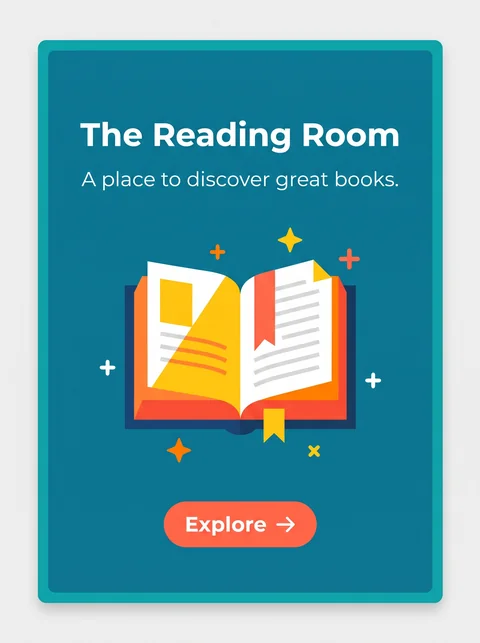
30 styles spanning historical art movements, graphic design traditions, architectural influences, cultural aesthetics, and contemporary interface techniques. They are not all the same kind of thing: Bauhaus is a whole movement, Glassmorphism is a surface treatment. The Laboratory keeps those distinctions rather than flattening them. Choose a style to see its profile and examples.

  1. 01

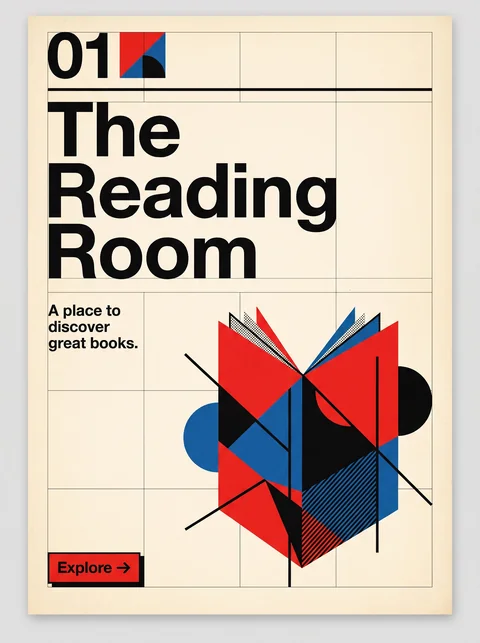
    Swiss Modernism

    Precise, rational, systematic

    Graphic design movement

  2. 02

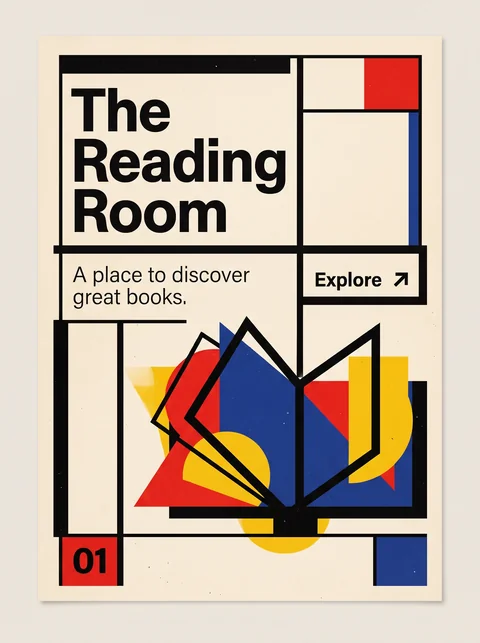
    Bauhaus

    Geometric, functional, experimental

    Design movement

  3. 03

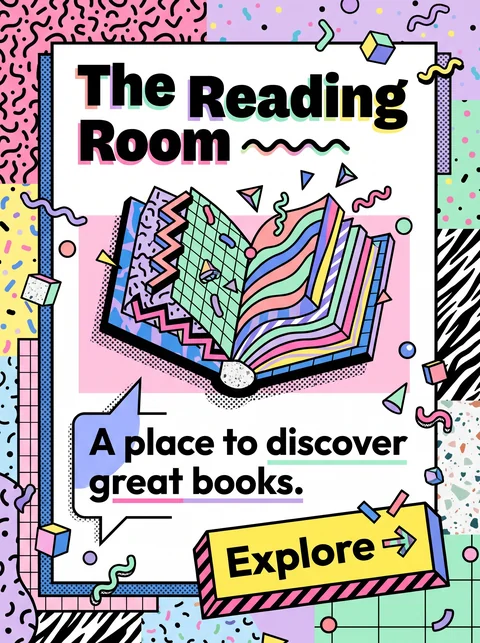
    Memphis

    Playful, rebellious, colorful

    Design movement

  4. 04

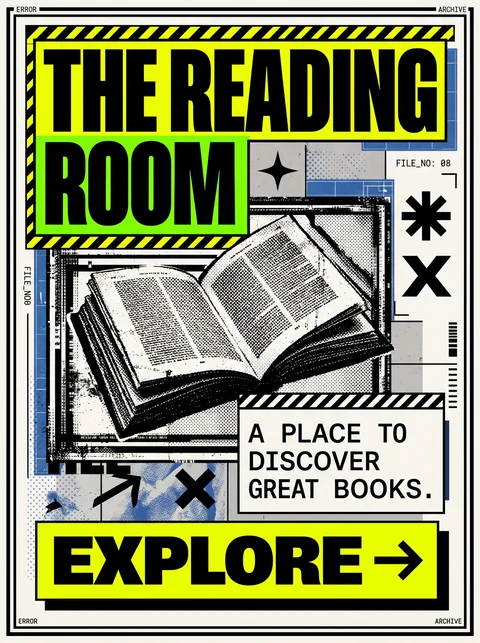
    Brutalism

    Bold, raw, confrontational

    Digital design trend

  5. 05

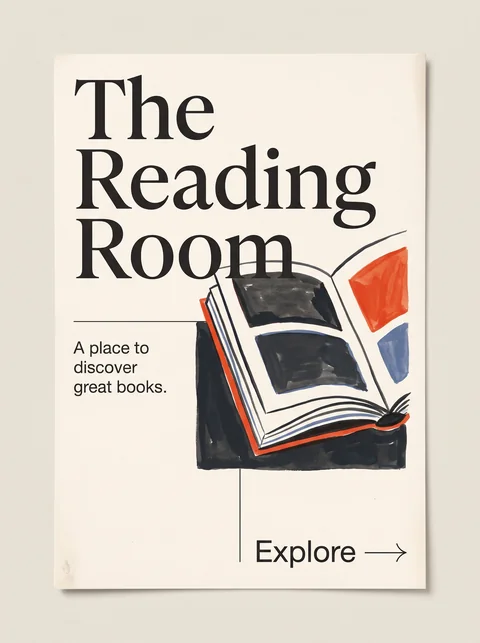
    Contemporary Editorial Design

    Literary, sophisticated, typographic

    Graphic design movement

  6. 06

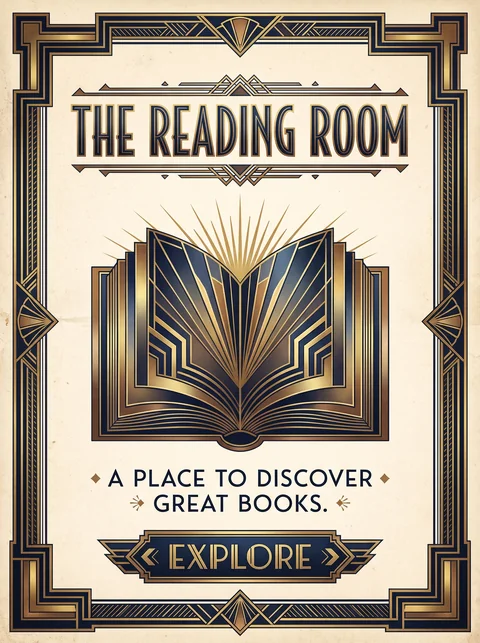
    Art Deco

    Elegant, luxurious, geometric

    Design movement

  7. 07

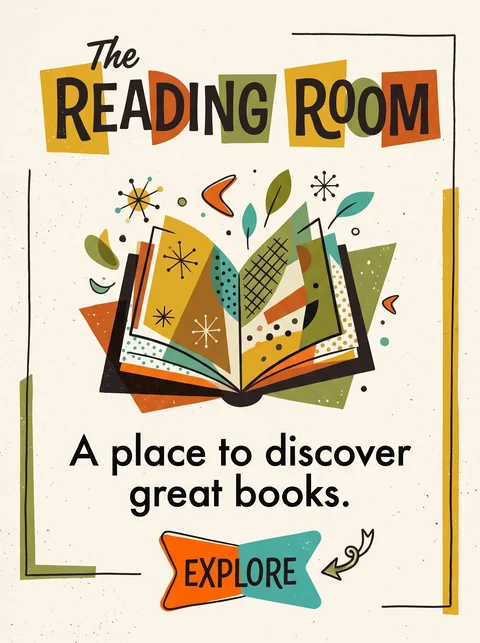
    Mid-Century Modern

    Warm, optimistic, approachable

    Design movement

  8. 08

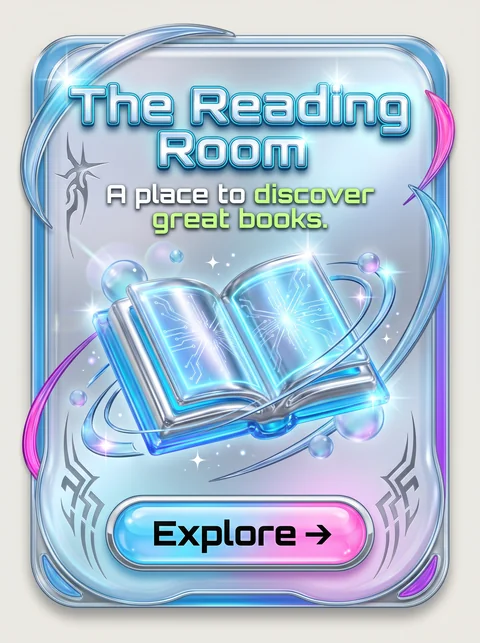
    Y2K Futurism

    Glossy, technological, nostalgic

    Cultural aesthetic

  9. 09

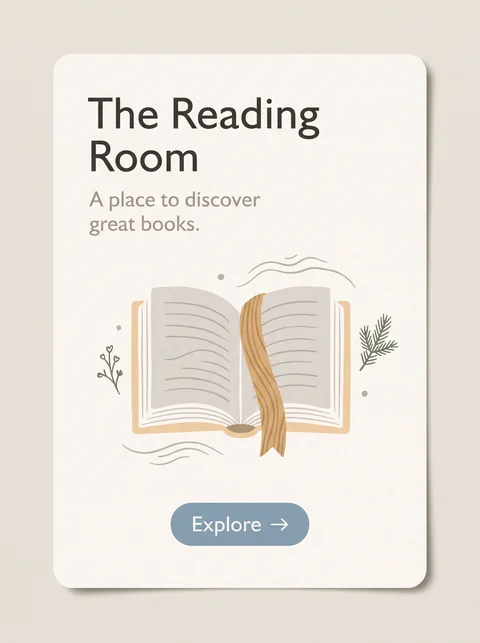
    Japanese Minimalism

    Quiet, intentional, restrained

    Cultural aesthetic

  10. 10

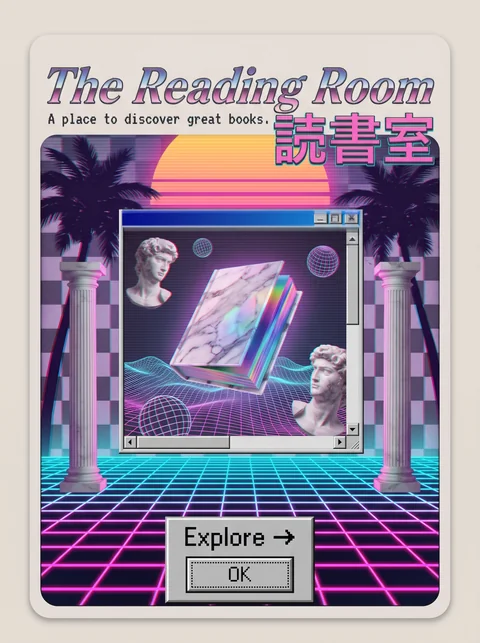
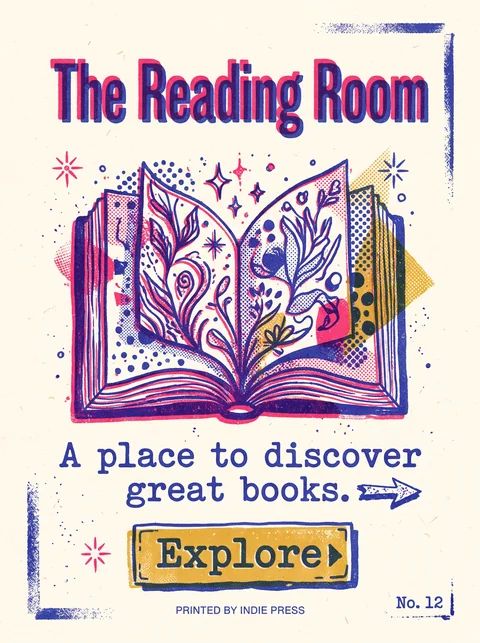
    Vaporwave

    Nostalgic, surreal, electronic

    Cultural aesthetic

  11. 11

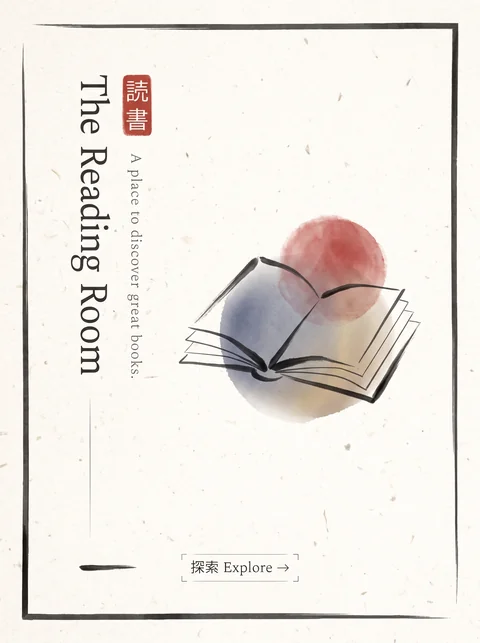
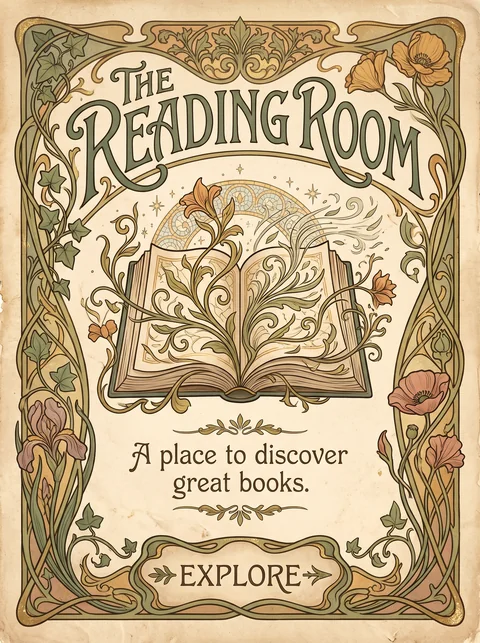
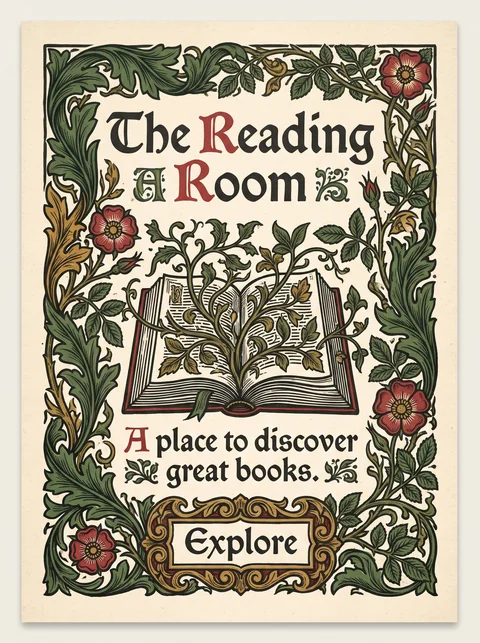
    Art Nouveau

    Organic, ornamental, romantic

    Art movement

  12. 12

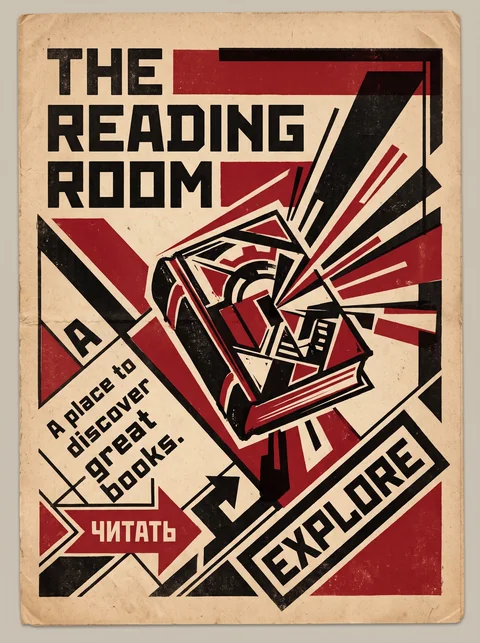
    Constructivism

    Dynamic, revolutionary, graphic

    Art movement

  13. 13

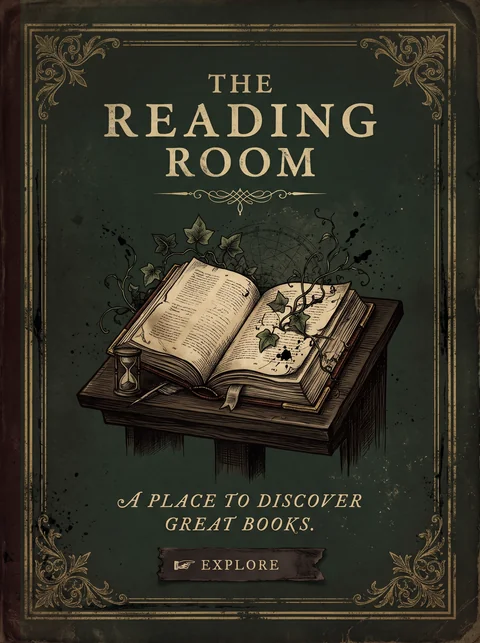
    Dark Academia

    Scholarly, atmospheric, historical

    Cultural aesthetic

  14. 14

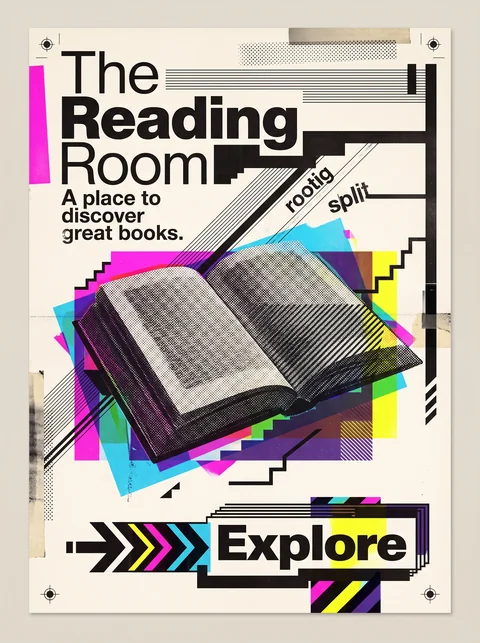
    New Wave Typography

    Experimental, expressive, unconventional

    Graphic design movement

  15. 15

    Frutiger Aero

    Optimistic, glossy, digital

    Cultural aesthetic

  16. 16

    Scandinavian Design

    Soft, calm, functional

    Design movement

  17. 17

    Arts and Crafts

    Handmade, warm, intentional

    Design movement

  18. 18

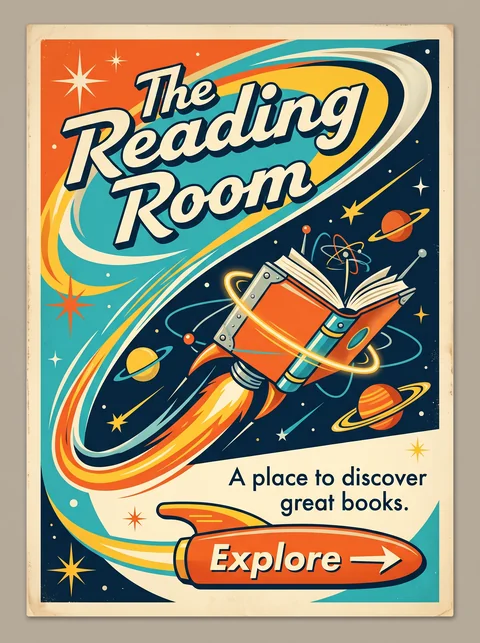
    Retro-Futurism

    Nostalgic, imaginative, exploratory

    Cultural aesthetic

  19. 19

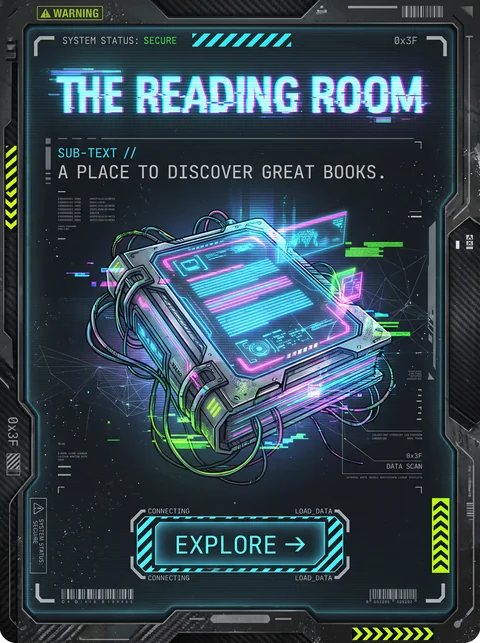
    Cyberpunk

    Neon, dark, technological

    Cultural aesthetic

  20. 20

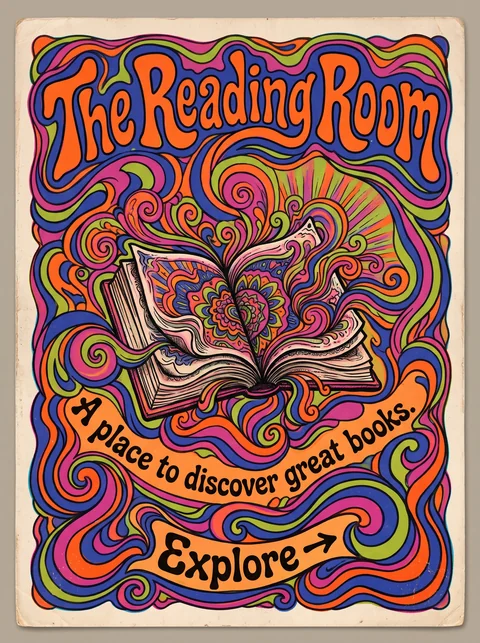
    Psychedelic Design

    Expressive, surreal, rebellious

    Graphic design movement

  21. 21

    Victorian

    Ornate, historical, dramatic

    Design movement

  22. 22

    Flat Design

    Clean, efficient, digital

    Digital design trend

  23. 23

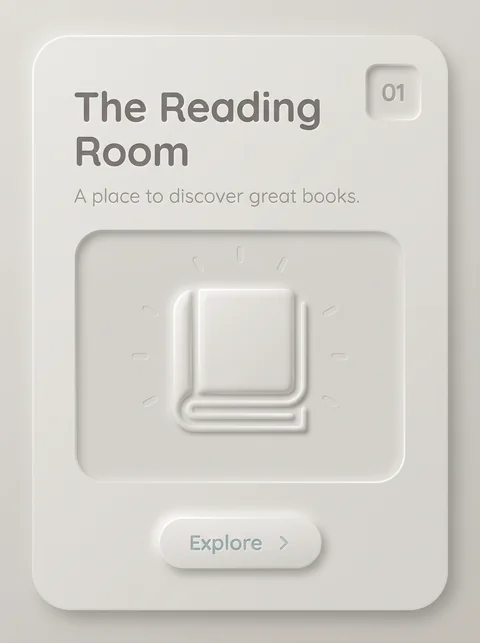
    Neumorphism

    Soft, tactile, dimensional

    Interface treatment

  24. 24

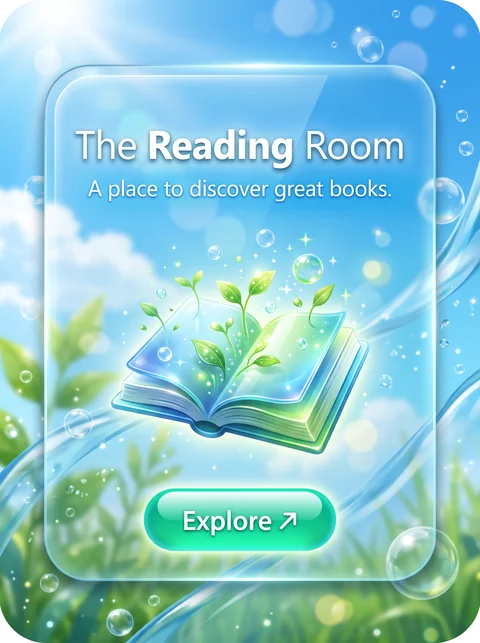
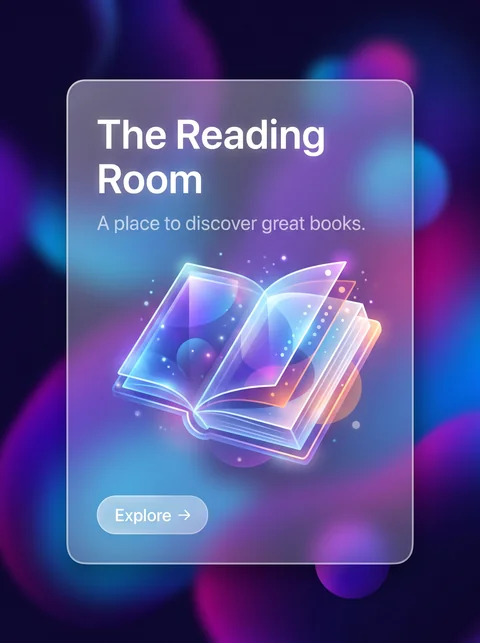
    Glassmorphism

    Translucent, layered, futuristic

    Interface treatment

  25. 25

    Risograph

    Textured, artistic, imperfect

    Cultural aesthetic

  26. 26

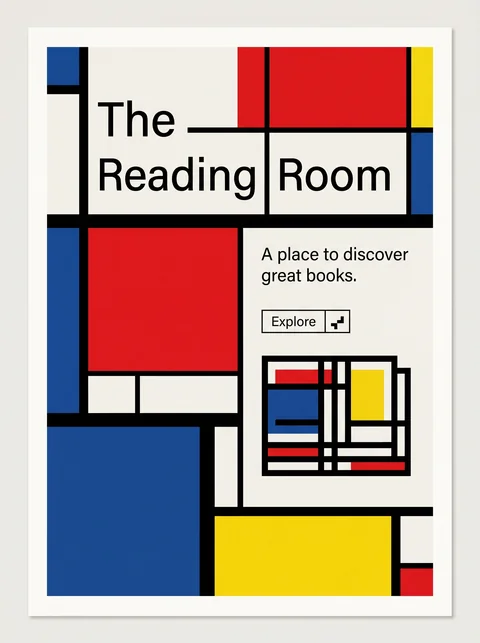
    De Stijl

    Geometric, mathematical, disciplined

    Art movement

  27. 27

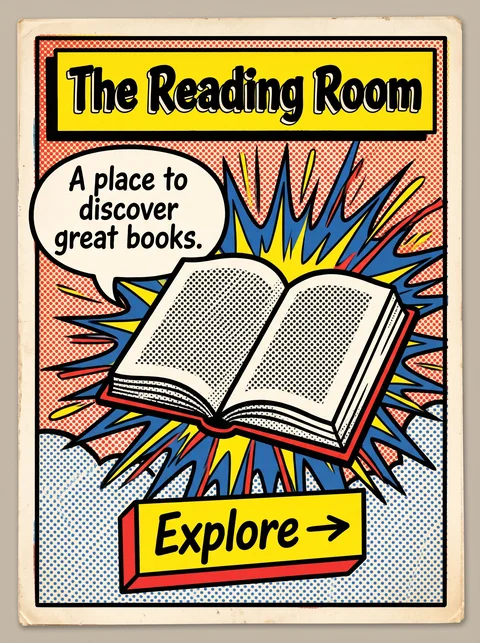
    Pop Art

    Bold, playful, energetic

    Art movement

  28. 28

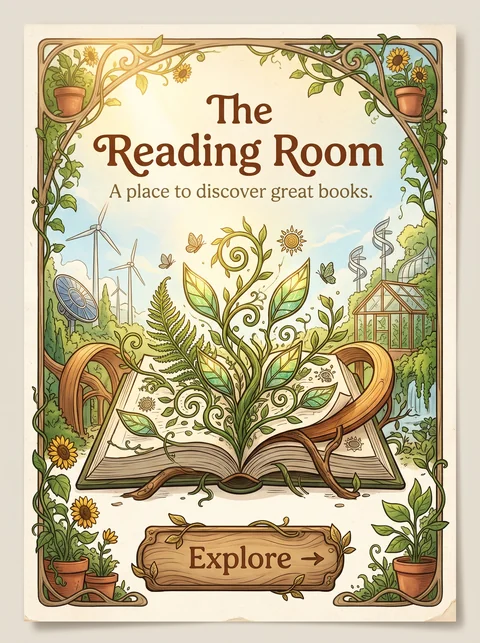
    Solarpunk

    Organic, optimistic, futuristic

    Cultural aesthetic

  29. 29

    Grunge Typography

    Raw, expressive, rebellious

    Graphic design movement

  30. 30

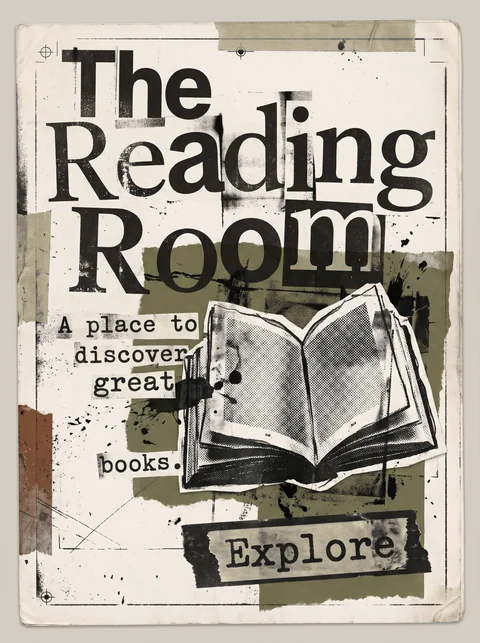
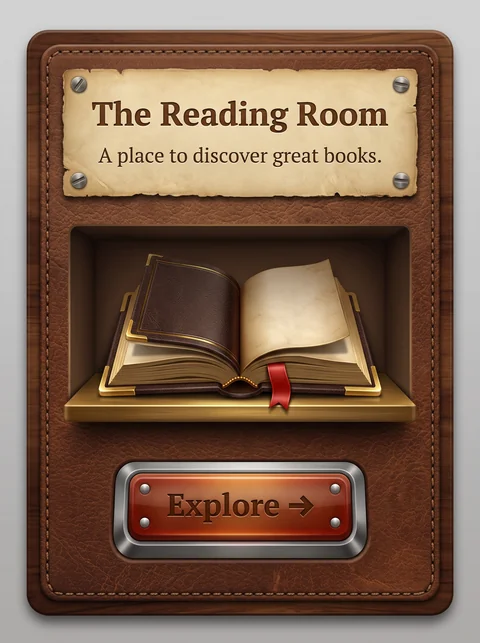
    Skeuomorphism

    Physical, tactile, familiar

    Interface treatment

Palettes

The styles come from design history. The palettes come from real places: 9 sets of colors drawn from photos, each color given a job and each text pairing checked for contrast. Put a palette and a style together and you have a direction to talk about.

Explore the palettes

Where this is going

Every style will eventually be demonstrated through the same working web application, built with consistent content and functional requirements, so you can compare how different aesthetic philosophies interpret the same problem. Three views are planned.

Gallery

A visual index of every style: thumbnails, periods, brief descriptions, filters, and search.

Demonstration

A realistic, full-page implementation of a single style, with design annotations and historical context.

Comparison

Side-by-side demonstrations with shared content, plus fingerprint, typography, and palette comparisons.

This page is the foundation. Demonstrations, style profiles, and comparison tools will be added as they are built. Everything here is a working draft and will change.

π